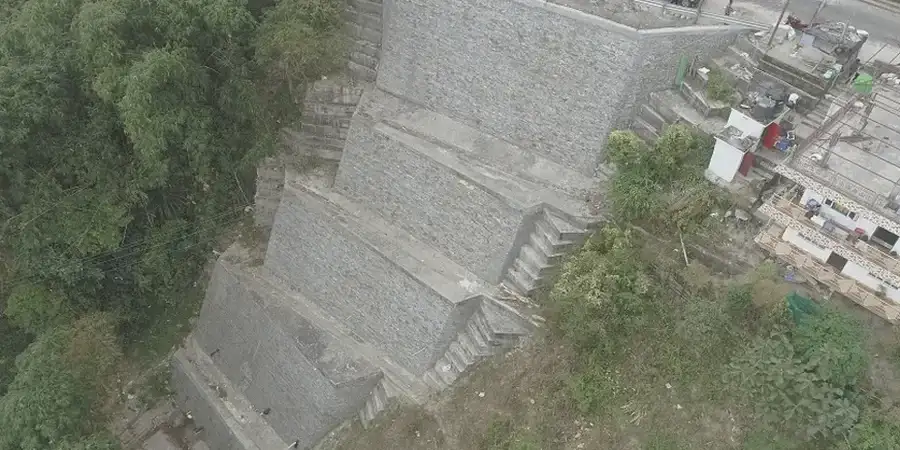
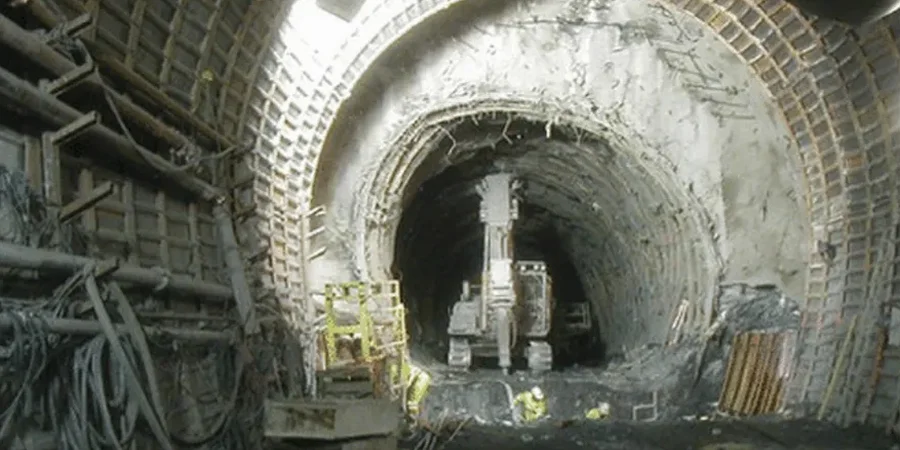
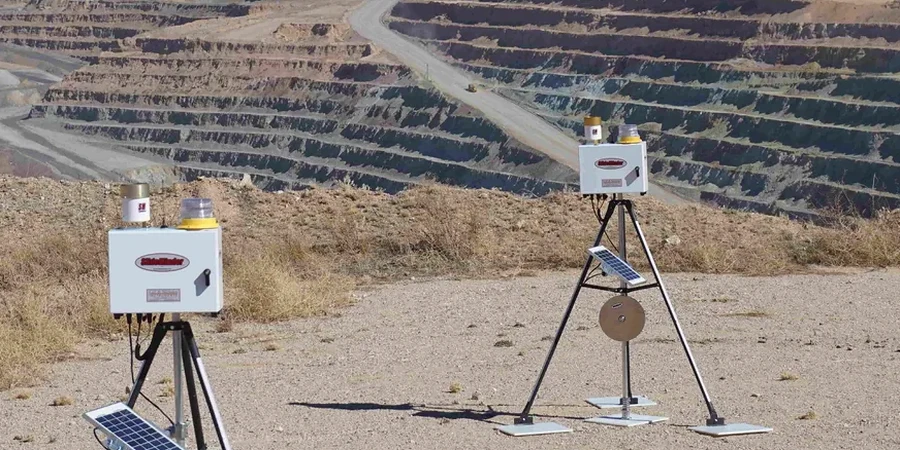
Brighton's subsurface presents a duality that catches out unprepared contractors: the Upper Chalk Formation provides excellent stand-up time in dry conditions, yet its flint bands and solution features create abrupt changes in mass permeability that can destabilise an unsupported face within hours of a weather front arriving. With groundwater perched within the Coombe Deposits that mantle the chalk across much of the city centre and the A27 corridor, pore-pressure response to even moderate rainfall is rapid and non-linear. An excavation monitoring regime designed specifically for Brighton accounts for this hydrogeological behaviour, pairing inclinometer arrays with standpipe piezometers at multiple horizons so that the trigger levels reflect the actual lag time between rainfall and pore-pressure spike observed in local borehole records. Where temporary works extend below the water table near the seafront — from Kemp Town through to Hove Lawns — the saline interface adds a further variable that affects both instrument longevity and the interpretation of resistivity-based monitoring, making the integration of slope stability analysis essential for any cut exceeding four metres in the Lower Chalk.
In Brighton's chalk, the monitoring system must be faster than the groundwater response — by the time a crack appears on the retained face, the pore-pressure change that caused it happened six hours earlier.