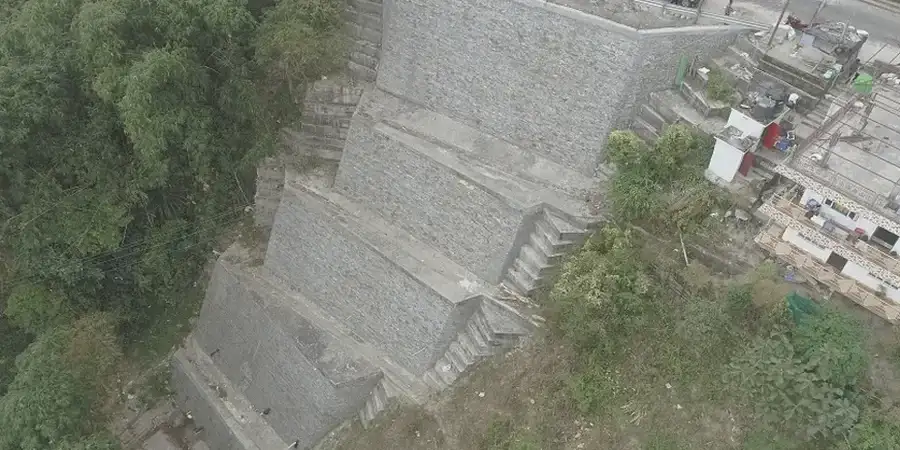
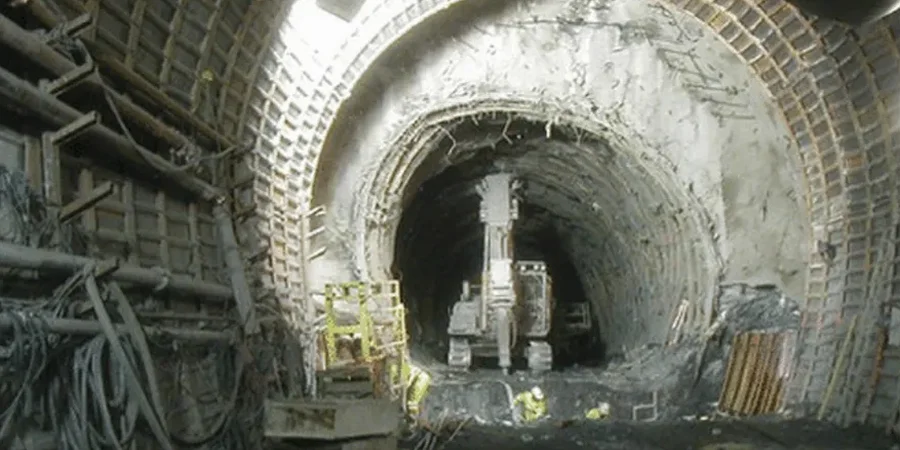
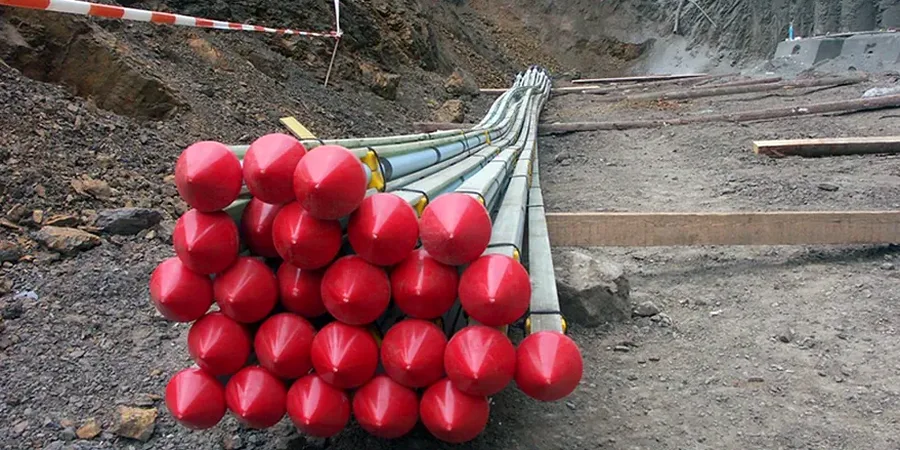
Brighton sits on a geological boundary that few other UK coastal cities share. The South Downs chalk meets the Quaternary raised beach deposits and Coombe rock right beneath the city centre, creating a subsurface profile that shifts dramatically within a few hundred metres. For any retaining structure, deep excavation, or slope stabilisation project, this means anchor design cannot rely on generic assumptions. Our team works with BS 8081:2015 and Eurocode 7 (BS EN 1997-1:2004) to develop active and passive ground anchor systems that account for the variable chalk weathering grades, flint bands, and groundwater conditions found from Kemp Town to Hove. When site investigation reveals fractured chalk with solution features, we often recommend supplementing the geotechnical model with seismic refraction to map bedrock continuity before finalising anchor bond lengths.
In Brighton's variable chalk, the difference between an active and passive anchor is the difference between controlling movement and reacting to it after it has already occurred.