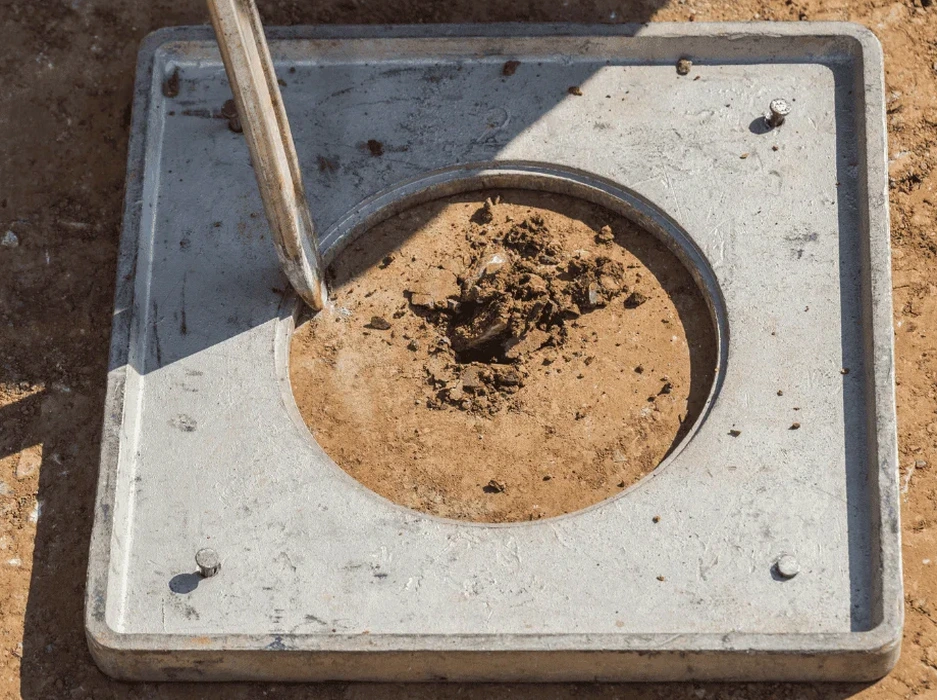
Brighton’s geology pits the solid Upper Chalk of the South Downs against the loose Quaternary deposits of the coastal plain. A site on the well-drained chalk of Woodingdean behaves nothing like one on the saturated alluvial silts near Brighton Marina. The difference matters when seismic shaking hits. SPT drilling provides the blow counts needed to start a liquefaction screening, and we run the data through the NCEER/Youd-Idriss framework without shortcuts. BS EN 1998-5 requires a full assessment when groundwater lies within 15 m of surface, a condition met across much of Brighton’s seafront and valley floor. Our analysis maps the factor of safety against liquefaction for each stratum, giving structural engineers a clear picture of where post-earthquake settlement could concentrate. Coastal Brighton sites also demand a check on cyclic softening in low-plasticity silts, which standard SPT-based charts can miss. We cross-reference SPT results with CPT testing when the stratigraphy is erratic, pulling continuous tip resistance and pore pressure data to refine the cyclic resistance ratio. The outcome is a site response model that feeds directly into foundation design or retrofit decisions for projects from Kemptown to Hove.
Liquefaction in Brighton is not a textbook case: the chalk-alluvium interface and tidal groundwater regime create a two-layer problem that standard screening alone misses.