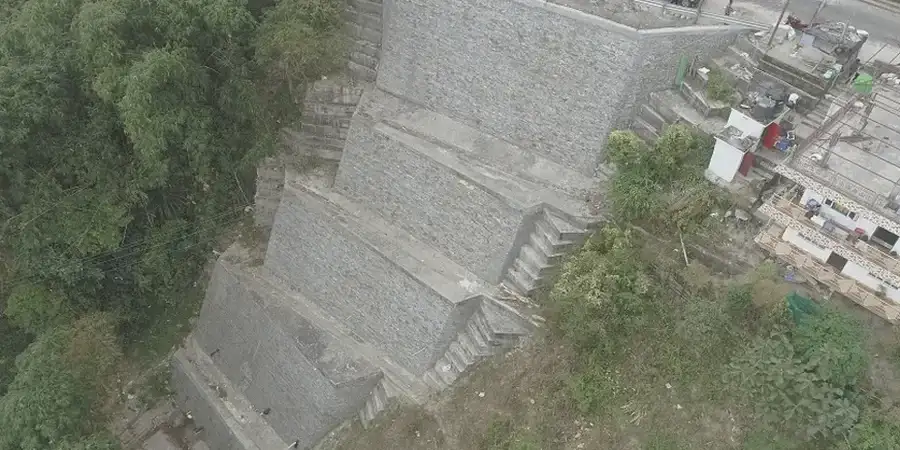
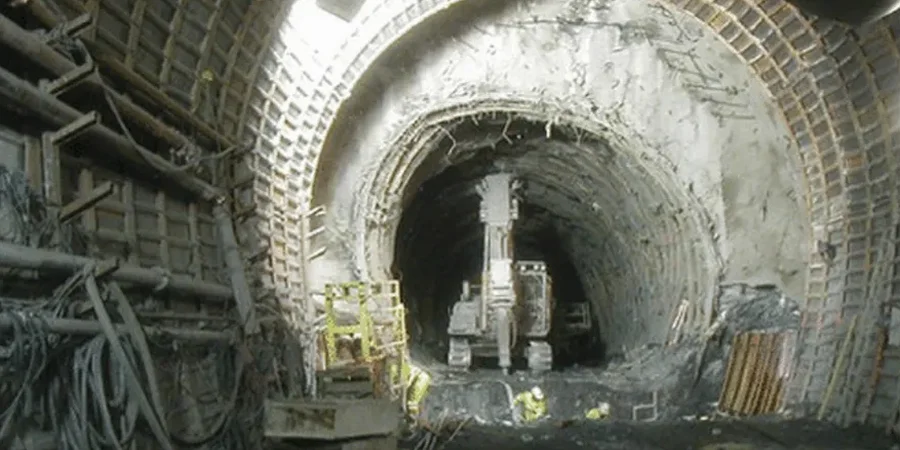
Brighton sits on a chalk bedrock that looks solid until you dig into it. The problem isn't the chalk itself, it's the dissolution features, the clay-with-flints pockets, and the old infilled valleys that run right under the city centre. We have mapped these across postcodes BN1 and BN2, and they directly affect how a rigid pavement behaves over time. A concrete slab doesn't flex like asphalt, it bridges small voids until it doesn't, and then it cracks. That is why our design process starts with a test pit investigation to check what is actually under the alignment, not what the BGS map suggests. The A23 corridor north of Preston Park, for instance, sits on a known dry valley fill where the ground stiffness changes every 50 metres. We model slab-on-grade response to those transitions using falling weight deflectometer data correlated with our lab modulus results.
A rigid pavement isn't just a concrete slab on grade. In Brighton, it's a structural element negotiating karstic chalk, tidal groundwater, and a salt-laden atmosphere simultaneously.