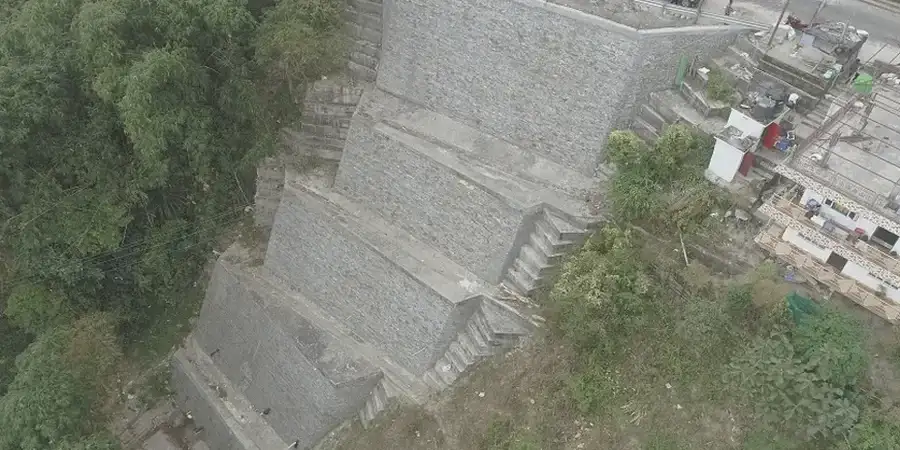
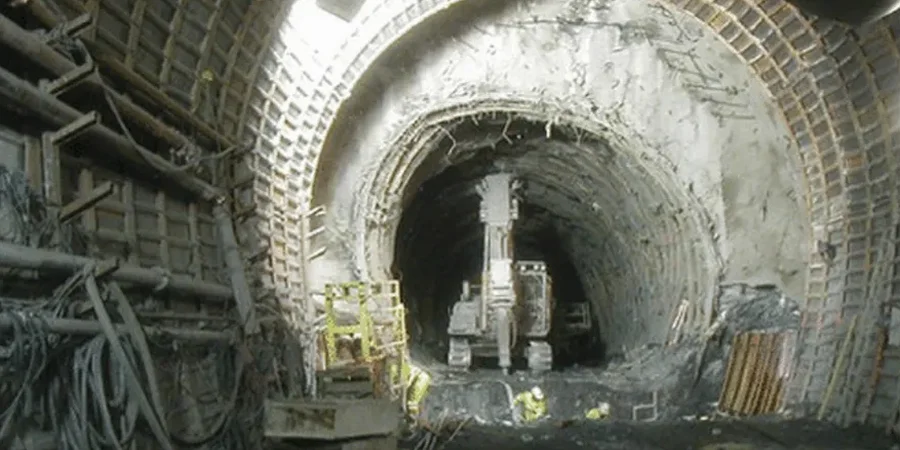
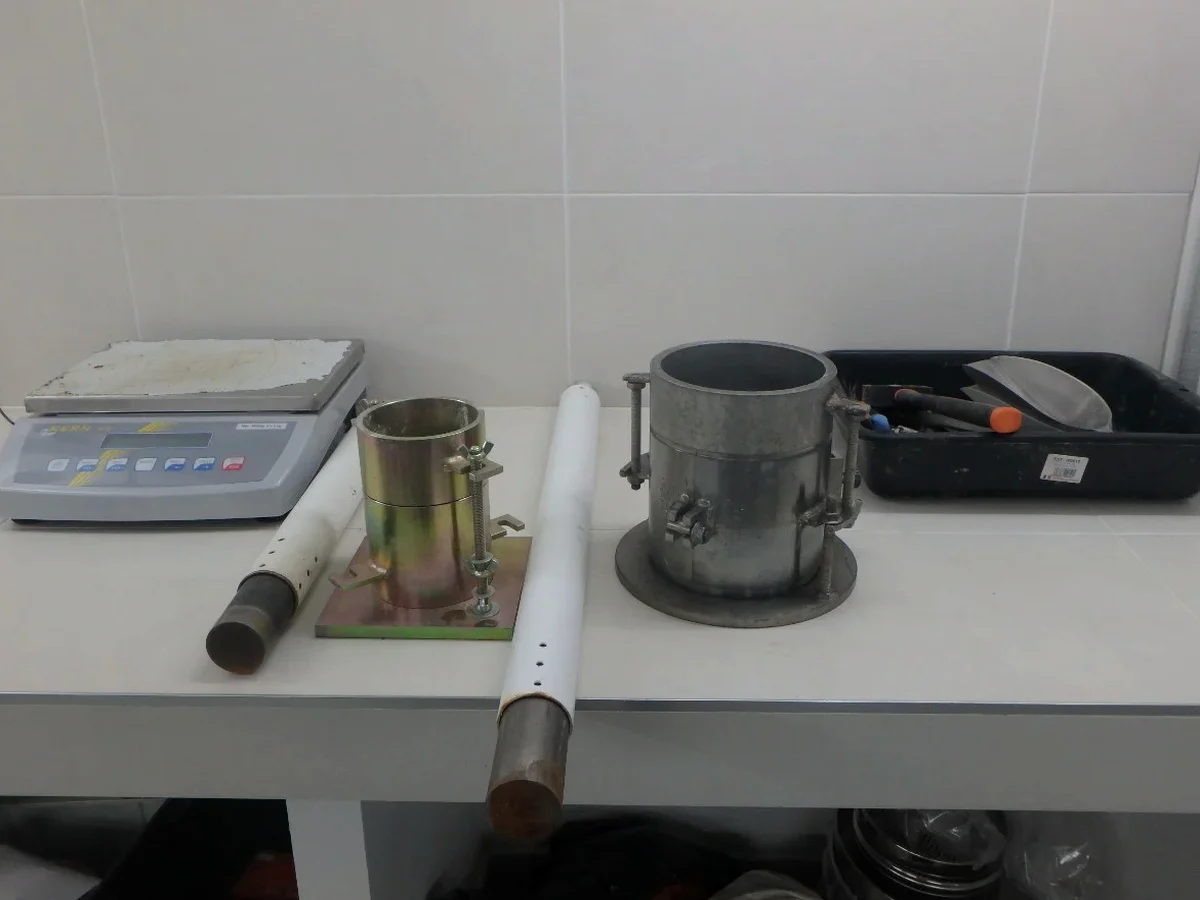
Brighton sits on a fascinating geological boundary where the South Downs chalk meets the Quaternary raised beach deposits of the coastal plain. The patchy Clay-with-Flints capping the Downs and the valley gravels running down toward the marina create a mix of materials that behave very differently under compaction. On a recent job near Preston Park, we saw a contractor struggling to achieve density on a seemingly clean chalk fill—turned out the chalk was breaking down differently under Standard versus Modified effort. That is where the Proctor test becomes essential. Rather than guessing the moisture content, we run the compaction curve in our UKAS-accredited lab to pin down the maximum dry density (MDD) and optimum moisture content (OMC) for the specific borrow material. For deeper understanding of the in-situ conditions before sampling, we often combine this with test pits to log the actual strata and retrieve undisturbed material for the lab.
On Brighton's chalk-derived fills, the difference between Standard and Modified Proctor can be over 15 percent in maximum dry density—spec the right one before a single roller hits the ground.